Standby Generators: A Trustworthy Method for Uninterrupted Power Supply
Standby generators serve as a vital safeguard when the power goes out. They function seamlessly, switching on in moments of an outage. Powered by different energy types, they make certain facilities stay running when disaster strikes. Yet, knowing their advantages and specifications is vital for achieving a sound choice. What aspects should one consider before investing in this type of unit? The subsequent parts examine these important factors.
How Standby Generators Work: Their Operation
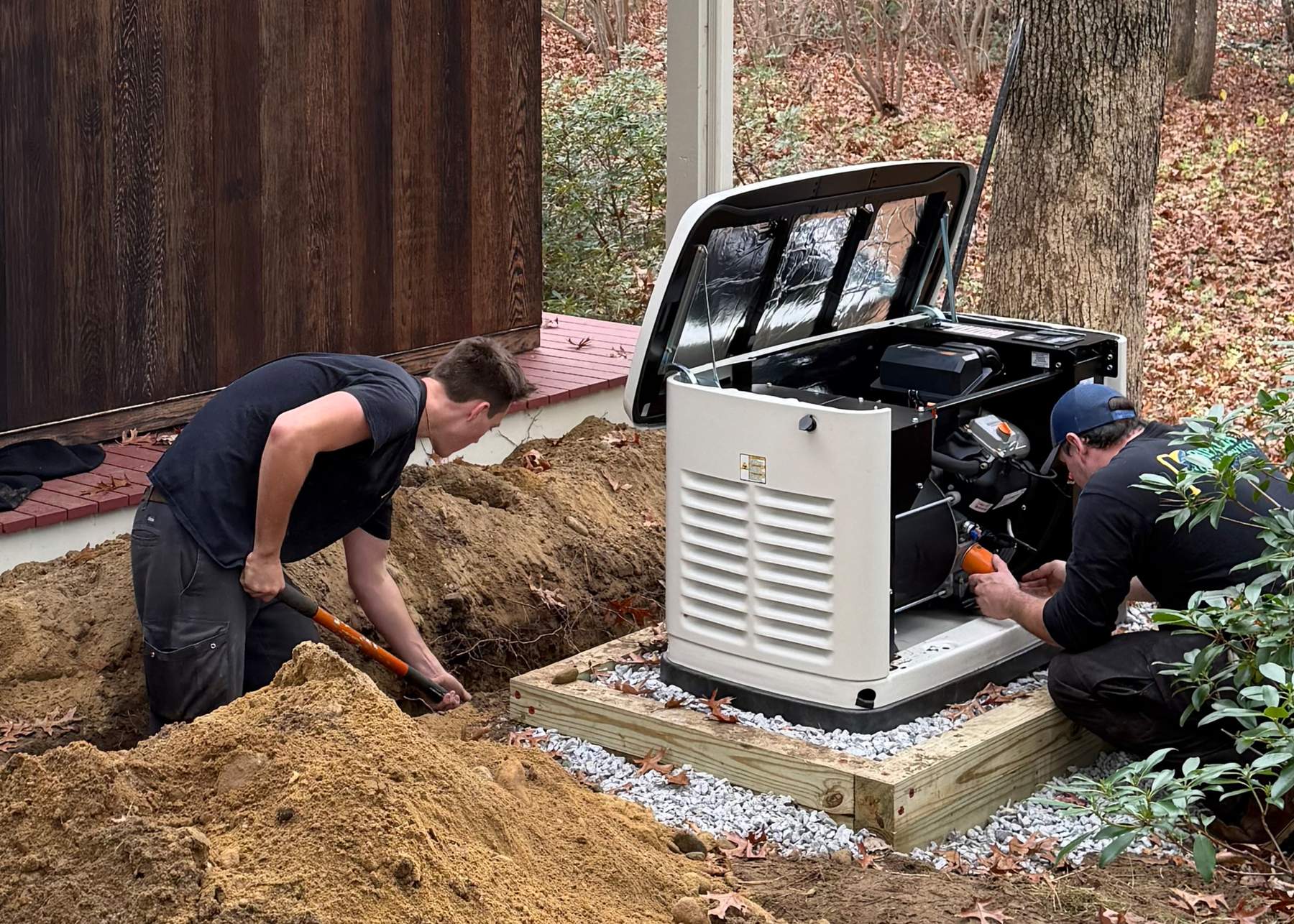
Standby generators are essential devices that offer reliable emergency electricity during power losses. Generators are often sited outside the structure, wired into the power grid and fueled by natural gas, propane, or diesel. When a power interruption occurs, the system recognizes the lack of power and activates within seconds. This action utilizes an ATS (Automatic Transfer Switch), which disconnects the home from the grid and connects it to the generator
(Portland Standby Generators)The generator then begins to produce electricity, providing energy to critical systems or the complete structure, depending on its capacity. The majority of backup systems include an internal tracking mechanism that guarantees proper functioning and servicing. They can operate for extended periods, offering a constant energy supply until utility power is restored. Knowing the operation of these systems helps homeowners appreciate their role in enhancing energy security and minimizing disruptions when the power suddenly fails
Benefits of Installing a Standby Generator
Dependability is a major benefit of utilizing this type of generator, because it provides constant power during blackouts. This essential feature assures that homes and businesses remain operational, safeguarding important possessions and upholding livability. In addition, standby generators enhance safety by preventing summary power outages that might cause dangerous conditions, such as pipe damage or critical device shutdowns.
Value for money is a further advantage; while the initial investment may be significant, the long-term savings from avoided food spoilage, disrupted workflow, and emergency repairs can be significant. Moreover, these generators boost the home's worth, making them an attractive feature for potential buyers.
Convenience is also notable, as they turn on automatically during an outage, eliminating the need for manual intervention. This uninterrupted functionality enables homeowners to maintain their daily routines without hiccups. Overall, setting up a standby system delivers reassurance, guaranteeing that power is readily accessible when it matters most.
Key Features to Look for in a Backup Power System
When choosing a standby generator, multiple important characteristics should be considered to achieve the best results and suitability for specific needs. First, the wattage capacity is crucial; potential users must determine the wattage required to support essential appliances during an outage. Furthermore, the power source—whether natural gas, LP, or diesel—influences operation and operational costs.
Another important feature is the transfer switch, which facilitates seamless power changeover and boosts reliability. Durability and build quality also matter; a sturdy unit can handle severe elements.
In addition, how loud it is needs evaluation, as low-noise units are better for neighborhood settings. A few units provide automatic start capabilities, providing convenience during unforeseen blackouts. Finally, support and coverage details should be reviewed, ensuring dependable assistance and maintenance. When considering these factors, potential purchasers can select a standby generator that meets their unique power needs successfully.
Elements to Evaluate Before Purchase
Before deciding on a standby generator, prospective owners should diligently assess multiple critical elements to confirm they arrive at an educated choice. Portland Standby Generators. Initially, they must evaluate their energy requirements by estimating the needed power to operate critical systems during an outage. Next, the power source is important; available types are natural gas, propane, or diesel, each with unique advantages and availability considerations
Additionally, customers need to examine the generator's transfer switch, which facilitates seamless power transfer. Installation details are also important, as some generators could demand expert setup or acquiring a permit
The warranty and support options deserve close attention, as these can greatly impact how satisfied you are in the long run. Lastly, those considering a purchase must check how loud the generator is, especially if they live in populated neighborhoods. By considering these elements, buyers are able to choose a backup power unit that best meets their particular requirements and desires
Maintenance Tips for Your Standby Generator
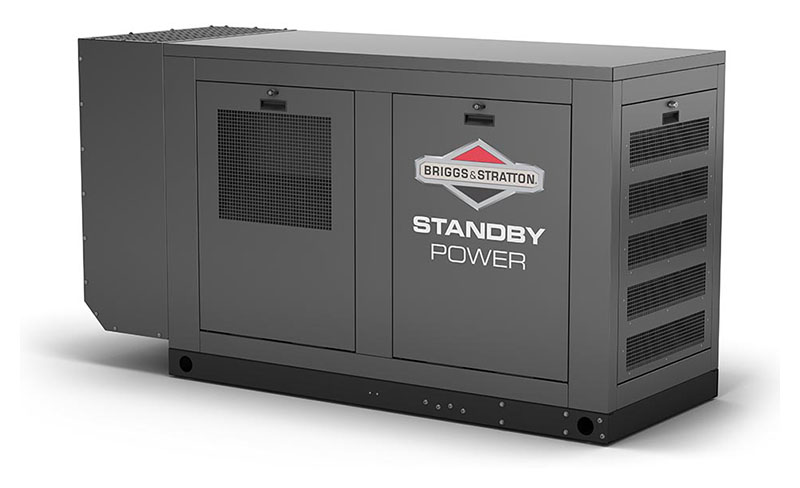
Routine servicing is crucial to ensure optimal functioning and extending the life of the unit. Begin by checking how much oil the generator has, and replace the oil and filter as recommended by the maker. Make sure to check the air filter and replace it as necessary to guarantee optimal airflow. You should also test the battery and clean any corrosion on terminals to keep the starting power consistent.
Conduct periodic load tests to confirm the generator can handle the capacity it is rated for. In addition, check that the exhaust is clear of blockages and leaks. Ensuring the generator is clean and clear of debris helps avoid overheating and problems.
Finally, book professional upkeep annually at a minimum to fix any issues that might arise and perform in-depth inspections. Adhering to these upkeep guidelines can maximize the longevity of a standby generator, giving you confidence when the power goes out.
Frequently Asked Questions
What is the Typical Price of Standby Generators?
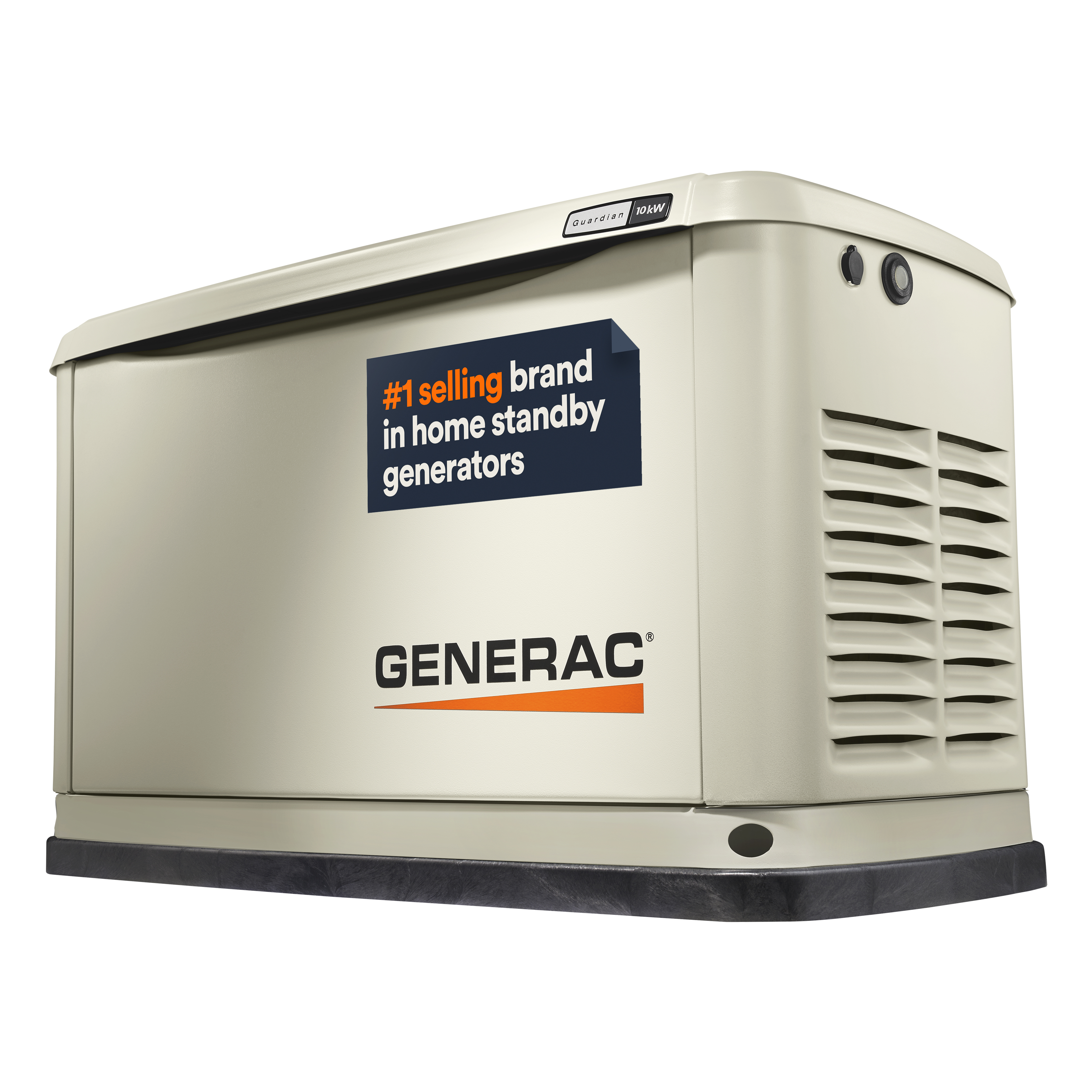
Backup generators usually range between $2,000 and $15,000, depending on factors such as the brand, power output, and complexity of installation. Extra costs often involve fuel tanks, permits, and ongoing maintenance, which impacts the overall cost.
Can I Install a Standby Generator Myself?
Self-installation of a backup generator is feasible, though it demands familiarity regarding local codes and electrical wiring. Most professionals advise getting a contractor to guarantee safety, compliance, and ideal performance of the generator installation.
Which Types of Fuel Power Standby Generators Use?
Standby generators typically use fuels such as gasoline, propane, natural gas, or diesel. Portland Standby Generators. The selection of energy source is frequently influenced by the cost, availability, and particular power requirements, influencing the efficiency and performance of the generator
Are Permits Necessary for Installation?
Permits are frequently necessary for the installation of standby generators. Regulations vary by location, so it is vital for those installing the unit to check with local governing bodies to verify conformance with all relevant codes and requirements.
For What Duration Can a Standby Unit Operate Continuously?
A standby generator can run continuously for a range of periods, typically ranging from 24 to 48 hours, depending on fuel supply and load demands. Consistent servicing provides peak performance and longevity during prolonged periods of use.